Why AI Still Cannot Draw Hands
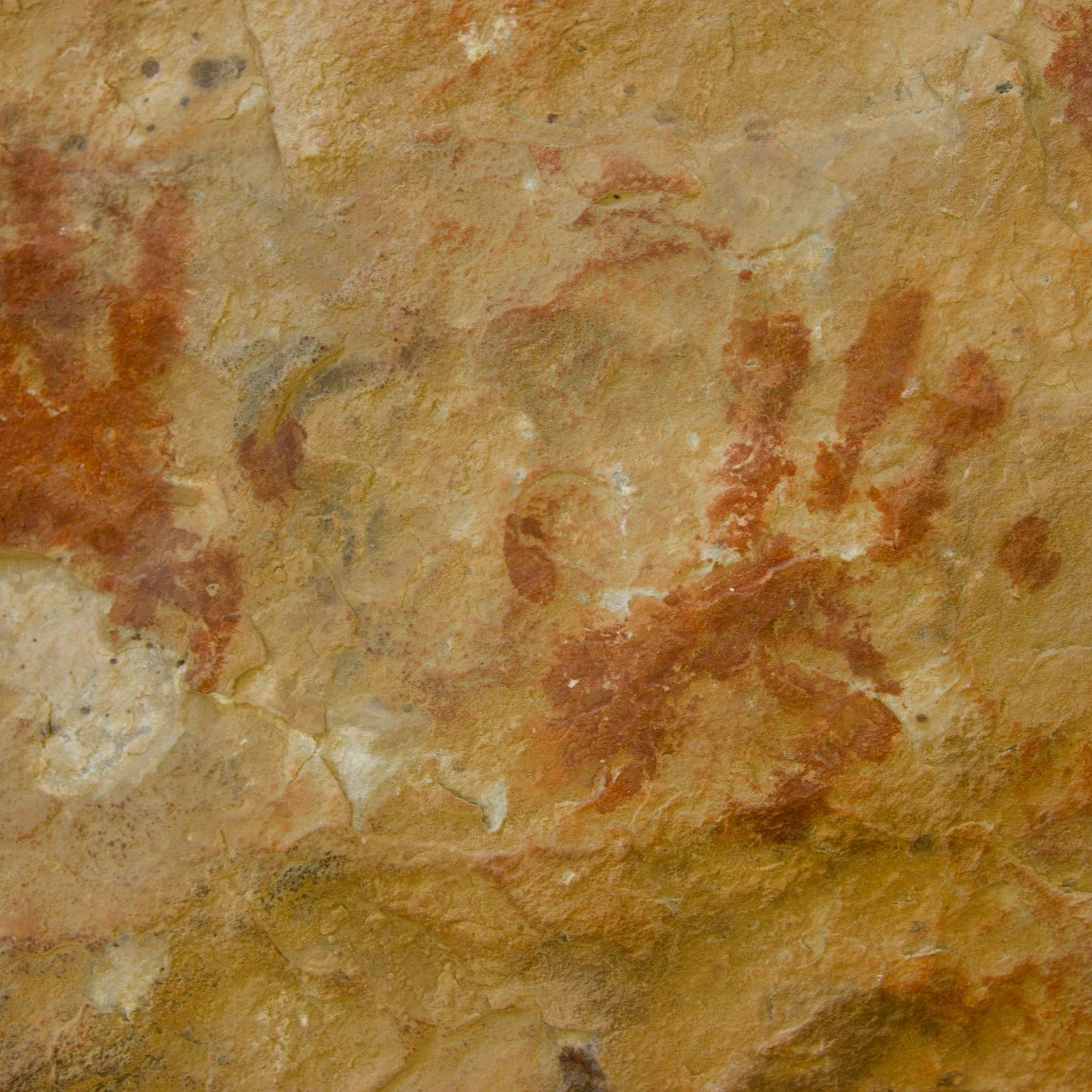
Art began with the handprint, the most human expression of life. Held in that print is the caress of a baby’s cheek, the wiping of a loved one’s tears, the braiding of hair between careful fingers, and the interlock of another hand in our own. Our hands are how we touch the world and one another; they embody the human essence.
And yet, thousands of years later, the most capable AI models still struggle to create hands. The imprint on a cave wall, the drag-path of pigment and the trembling outline of five fingers, was humanity’s first confession.
The Philosophy of the Hand and What AI Cannot Touch
I have witnessed models that can summarize, generate, argue, and imitate. They can mimic aesthetic patterns with, at times, frightening accuracy. But ask them to create a hand and suddenly the illusion of their power collapses. The hand is not just an object to be recreated, but a history of intention, anatomy, violence, and memory. It is proof that nothing in training data can replicate the lived experience encoded in human gesture.
This is why I find it a bit humorous when people are afraid of the AI revolution, of large language models becoming sentient and taking over the world. Tests fail spectacularly at creating the core of humanity with extra fingers and impossible anatomy. And so what engineers are tasked with is debugging human essence instead of code which has proven to be impossible. The truth is, these models know nothing of human anatomy beyond its concept.
Capturing the Human Essence
I attended an AI forum early last year full of creatives and thought leaders in the space of AI. There was a company there that presented their business model and the creator was looking for people to sell images and videos of their most prized memories. He believed he could create a model that captured the human essence by feeding this media into a model. Though his focus was on an intangible aspect of humanity, it is a testament that even a year later, these models are incapable of replicating the most human expression of homosapien existence.
Hands are how humans touch the world, not AI. Hands hold grief, comfort, craft, and survival. They braid hair, break bread, bury the dead, and lift the beloved. A handprint is more than a shape, it is a gesture frozen in time. To depict a hand one must understand it is the body that moves it, the life that taught it, and the memory that carries it.
AI has no muscles, no warmth, no loss. It can sample data but not inherit meaning.
Aesthetic Stakes
The flawed human handprint remains an honest representation of the relationship AI will settle into humanity with. The failure of hands in these models reveals a deeper truth, human beauty and soul lies in our lived experiences, and not the generated. The handprint on the cave wall is a message across 40,000 years that screams “I was here,” imperfect and imprinted.
From the Paleolithic cave, the hand remains a boundary uncrossed by these machines. Because art has never been about accuracy but presence. It's why Van Gogh and Monet are treasured, not due to their ability to color within the lines but their acceptance of the beauty beyond it.
The drag path of a hand is a living line that cannot be replicated. It is our morality, embodiment, desire, and the will to mark the world before leaving it that AI cannot compete with. In the end, art will always belong to the living. It requires a pulse. It requires a witness. It requires the courage to leave a mark that could never be made twice. The machines can imitate our shadows, but only we can press our hands against the cave wall and call it life.
